
What is Juneteenth, Exactly?
posted on: junio 1, 2026
category: Microlearning
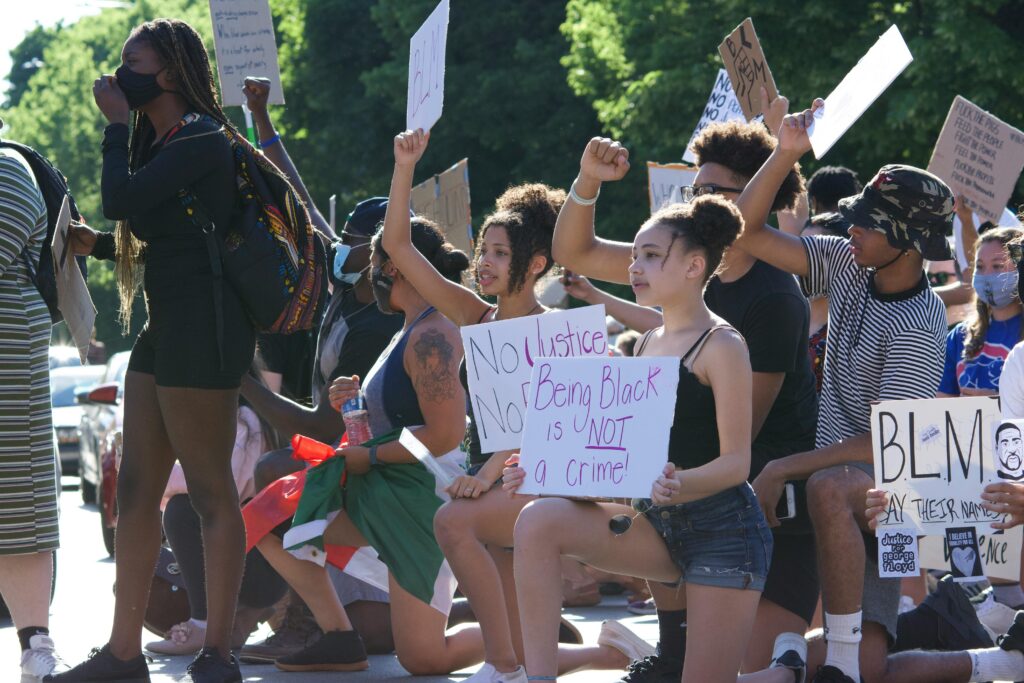
Written by: Crystal Blanton, Deputy Director of Open Doors
This once-forgotten or often-ignored celebration of freedom for Black Americans is now a national holiday. While many within the Black community have celebrated Juneteenth as part of their culture for generations, the holiday was largely unknown to many others until recent years. In 2021, President Joe Biden signed legislation making Juneteenth an official federal holiday.
Before then, Juneteenth was recognized as a state holiday in Texas, where the holiday has deep historical roots. Outside of Texas and many Black communities across the country, however, it was often left out of mainstream conversations about American history.
Despite its federal recognition, many people are still learning about the significance of Juneteenth and why it is important to acknowledge it within our communities — including with our Black youth.
So much so that some have even assumed this celebration was newly created for Black people, rather than understanding its long history.
Juneteenth continues to represent many things, namely freedom and liberation from enslavement as a governmental institution in the United States. Although the Emancipation Proclamation was issued by President Abraham Lincoln in 1863, all enslaved people in this country were not immediately free.
Two and a half years later, slavery continued in Texas. On June 19, 1865, U.S. Major General Gordon Granger arrived in Galveston, Texas, with federal troops and read General Order No. 3, which stated:
“The people of Texas are informed that, in accordance with a proclamation from the Executive of the United States, all slaves are free.”
This moment marked the liberation of approximately 250,000 enslaved Black people in Texas from the formerly legal institution of enslavement in the United States. Later that same year, the adoption of the 13th Amendment officially abolished slavery.
Initially celebrated by newly freed Black people, Juneteenth later became a holiday celebrated throughout Texas and, eventually, in many other states across the U.S. This celebration has been known by many names, including Jubilee Day, Freedom Day, Emancipation Day, and, of course, Juneteenth.
Juneteenth is known as the longest-running African American holiday, according to HISTORY.
Why This Matters for Our Youth
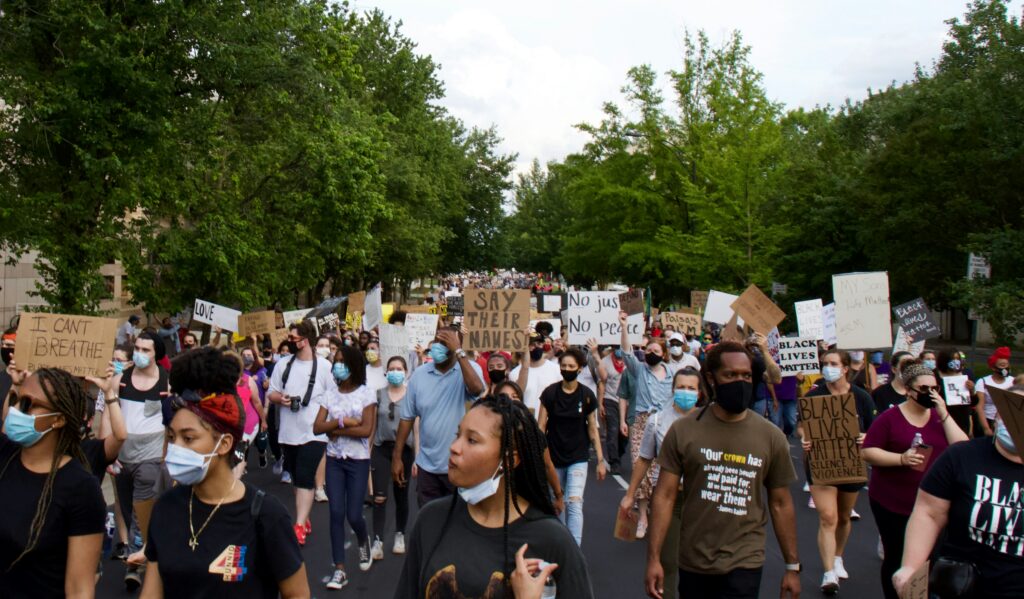
In a time of increasing misinformation and mistrust of historical facts, our youth deserve opportunities to know their history and understand the power of the continued struggle for liberation.
All youth, but especially Black youth, deserve the opportunity to learn the rest of the story — a story that did not end in 1863 with Abraham Lincoln and the signing of the Emancipation Proclamation.
Youth deserve to know that all parts of the story are important, and that any outcome is made up of many moments, actions, and people that are often left unknown.
Youth can be trusted with the complexities of history that have shaped, and continue to shape, their own experiences and understanding of the world.
Youth get to learn from history to gain insight into today. Black youth, especially, deserve a true reflection of the reality that liberation was never easy — and that the struggle for freedom, dignity, and justice continues today.
Why We Celebrate
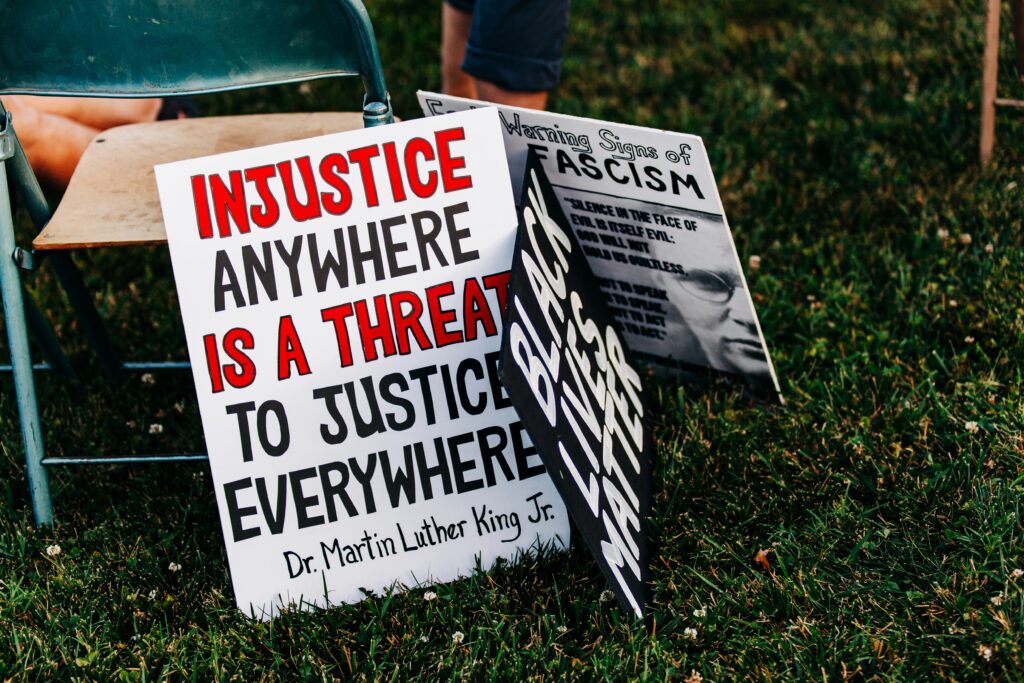
Celebrating Juneteenth means celebrating history. It means celebrating the story of Black people in this country and the hundreds of years of struggle, survival, and resistance that led to the ending of legalized enslavement.
It allows us all to see how far we have come and how far we still have to go. It empowers us to understand the missing parts of our stories and those of our ancestors.
On Juneteenth, we celebrate freedom, liberation, hope, and movement toward an American Dream that continues to unfold for Black people in America.
On Juneteenth, we celebrate an important step toward valuing the inherent dignity and worth of Black people.
On Juneteenth, we celebrate each other.
Sources & Continued Learning
- What Is Juneteenth? | HISTORY
- Juneteenth | Federal Holiday, Meaning, Flag, History, Food, & Celebration | Britannica
- The History of Juneteenth: From Freedom Delayed to National Holiday | GovFacts

Written by:
Crystal Blanton
Deputy Director, Open Doors Training
Related Posts
Sorry, we couldn't find any posts. Please try a different search.